Category Archives: writing a novel
Surviving the Scorching Summer Heat
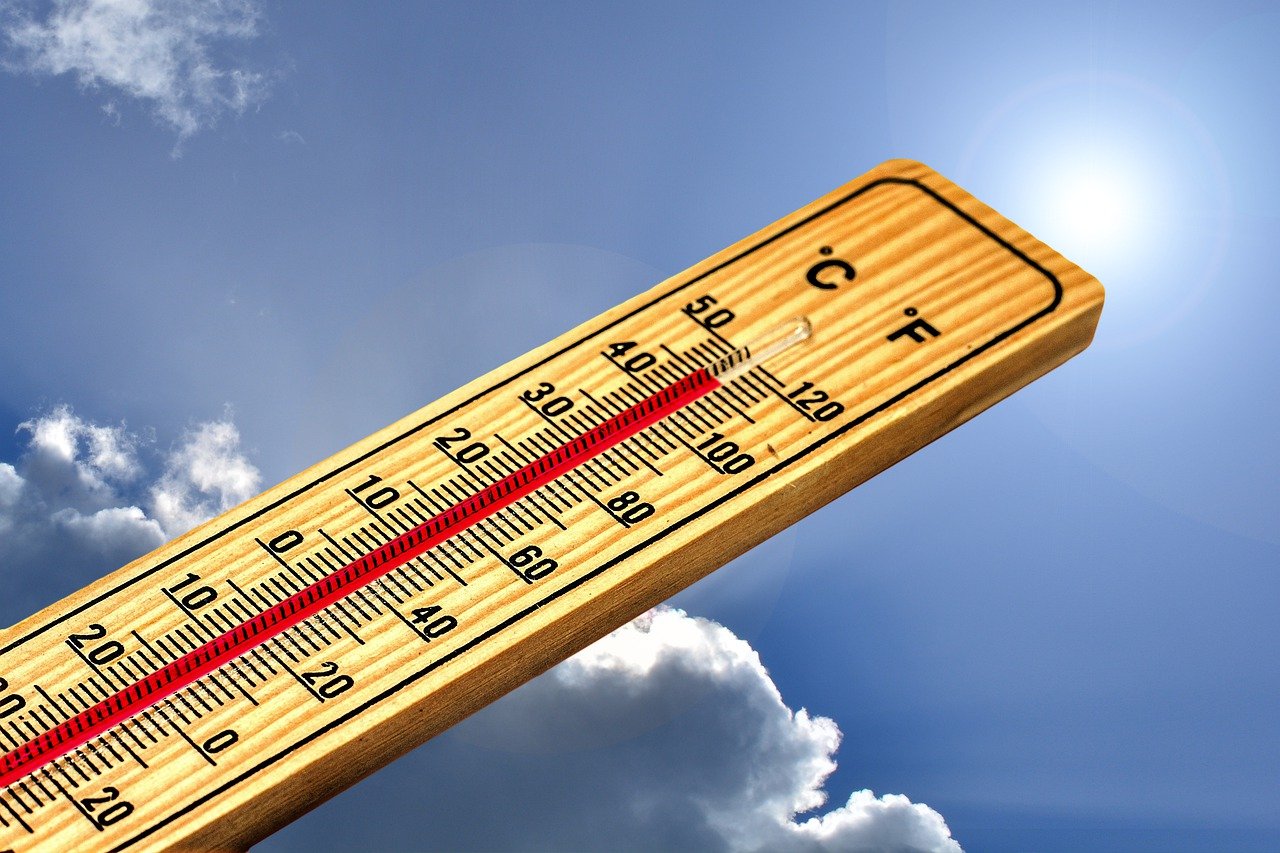
Scorching summer heat is currently giving us record-breaking temperatures and intense heat waves across the globe. In Arizona we could probably cook on the sidewalks, as crazy as that sounds! Outdoor barbecue has taken on a whole new meaning! The kids are staying out of the sun in the middle of the day and limiting their outdoor activities to the mornings or late afternoons and evenings when the sun isn’t so intense or has disappeared beyond the horizon. Even my dogs don’t want to be outside for long.
As an author and digital artist, I am perfectly happy to be inside my office where I can be comfortable in the air conditioning with my ceiling fan whirring over my head to keep me cool. That’s the most productive atmosphere for me, and my favorite setting. If I want to see the outdoors I can just look out of the window next to my desk and pull back the curtains to let in the light, without having to deal with the heat.
If you work from home, adjust writing routines when necessary, by working during cooler parts of the day, such as early mornings or evenings. Setting realistic goals and focusing on specific tasks like editing or mind mapping during peak heat hours can also be helpful. Writers may need to be especially mindful of channeling and shaping emotions in their work, recognizing the potential for heightened emotional responses during heatwaves. You can also try working from libraries or cafes to make your day more interesting.
Some writers find that the summer heat actually sparks their creativity. Ernest Hemingway embraced writing in the summer heat and his style flourished during these periods. He spent significant time in hot locations like Madrid, Spain and Key West, Florida.
If you’re in one of those excessively hot areas of the world, be kind to yourself and stay hydrated, comfortable, and safe from the effects of the hot sun. Many children are now heading back to school, which will keep them busy for a good part of the day. Stay indoors when you can and protect yourself if you do go outside with sunscreen, a hat or umbrella and wear loose, light clothing that will allow you to stay cool.
Being indoors gives us all a great opportunity to explore our world and other worlds through writing and reading!
Have a great summer!
Solitaire
Communicate Effectively – Resonate with Your Reader
Communicating effectively relies on an understanding of the language you’re speaking. It can be potentially frustrating to your readers if they can’t understand what you’re trying to get across to them.
For instance, if the person you’re trying to communicate with speaks German, it won’t matter how beautiful your French sounds. The line of communication is still broken if they don’t understand what you are trying to say.
As a writer, I’m not speaking about literal languages but writing that makes a connection by not leaving out key details or putting in unnecessary ones, leaving the reader very confused or disconnected from your book.
As the author, you know what you’re trying to say and understand it perfectly, but if it leaves your prospective reader feeling overwhelmed without a more understandable explanation, then you may have lost a sale on that book.
When writing a book description or even a book title, it would be wise to consider what you are trying to communicate. Does it connect with the genre of book you’re writing? You’ve all probably read a book title and wondered why it was even in that genre because it didn’t make sense. It all comes down to awareness.
If you’ve ever read book reviews, a simple strategy for finding out what readers like or dislike about books will come to light. They often describe things differently than the writer would and reveal what language resonates with them, which can be very helpful. It may or may not change anything about the way you pen your novel, but it does give you valuable incite into how your readers view things.
Feedback from other people is a good way to discover the good and the bad of your novel, which is valuable for future reference. Knowledge is always a beneficial objective!
I welcome your comments. Say hello below!
Solitaire
Overcoming Stress: Tips for Positive Thinking

We all lead stressful lives in one way or another. As an author there are many factors that can cause stress. Writer’s block, fear of judgement from others, perfectionism which can lead to over-editing and lots of self doubt, the pressure of meeting deadlines, rejection which causes a lack of confidence and motivation, juggling too many projects, being responsible for marketing and promotion of your works, and possibly financial concerns as well. Authors often question their own writing abilities and wonder whether their stories are good enough. It can all weigh heavy on your mind.
There are many sites online which can be of help to writers in every aspect. To support you and anyone really, I recently came across an article from the Mayo Clinic that I thought was interesting about stress management and how it can affect your health and well-being.
Are you a positive or a negative thinker? Positive thinking doesn’t mean that you ignore life’s less enjoyable situations. It just means that you approach unpleasantness in a more positive and productive way. You believe the best is going to happen, not the worst. The automatic thoughts that run through your head can be either positive or negative. If they are negative, your outlook on life is likely to be gloomy or cynical, which is certainly not a health benefit. You can learn to change these negative thoughts into more positive ones by creating new habits.
The following are a few ways in which to change your thinking and behave more positively.
First, identify areas in your life that need a change, whether it be at work, life changes, or a relationship. Focus on a few small areas and then approach them in a more positive light. You will eventually teach yourself to look at things differently.
Keep yourself in check during the day by periodically stopping to evaluate how you are thinking. Are you falling back into being negative or are you forcibly working on being positive?
Stay open to humor by smiling or laughing, even during times of difficulty. Laughter is a stress-reducing tool.
Aim for a healthy lifestyle that includes some kind of exercise to break up each day and help you manage stress. If you are sitting all day, take a break and go for a walk. Look at something different than what you normally would. Sometimes just being out-of-doors will help you clear your mind.
Keep yourself surrounded by positive people who will support you in good times and bad. You need helpful advice and feedback. Keep your distance from negative people or situations.
Follow a simple rule – don’t say anything to yourself that you would not say to someone else. Be kind and encouraging to yourself. Don’t expect perfection, just do your best.
Think about the things you are thankful for in your life and dwell on those things. There is always someone who has it harder than you. Always be thankful for what you have.
You may not become an optimist overnight, but with practice you will become less critical of the world around you. When your state of mind is one of optimism, you are better able to handle stressful situations that come your way in a more constructive manner, and that will contribute to a much healthier and happier life.
Solitaire
Essential Tips for First-Time Authors

I think the most important first step is to ask yourself what kind of book it will be. Fiction, non-fiction, historical, horror, science fiction, fantasy? Before you can get started, this one question needs to be answered before it’s possible.
Regardless of age, life experience will play a part in what you decide to put to pen, but it will be infinitely easier if you write about what you know. Speaking of pens, how do you see yourself punching away at this new endeavor? Pen/pencil and paper or with a computer? Whatever happens to be within your grasp will be where you start but don’t let it stop you from working toward your dream. If you choose a computer, then the next decision will be which piece of software to use. So now we’re talking about what your budget looks like, and there is some good news. Free software is available to help get you started in lieu of purchasing Microsoft Word or other writing software. Do the research and find out which will be the best fit for you.
The next decision is what type of book are you seeing in the mind’s eye? A short story, a novella, a novel, or a compilation of novels making a series of interconnected characters? Figure that out and your task will be made easier.
With each book you write, expect there to be a huge amount of research before the smoke clears on your finished work. If you write about what you know, there will still be research to perform because none of us knows everything about any given subject.
The next question revolves around preliminary functions like an outline of where the book will be going from chapter to chapter, or do you really need one? From author to author this one question has a variety of responses and none of them are wrong. Some of us use outlines or storyboards, some of us don’t. Whichever way you go, write a lot.
I’m a proponent of critical thinking, and the long and short of that boils down to who, what, why, where, when, and how with every page you write. I call them the six deadlys, and you’ll get sick of asking the same questions every day of your writing career, but there’s no living without them. The day you stop asking these questions is the day mistakes will overtake you.
Talk frequently to friends and family about your book prior and during the writing process. It will help you to stay fresh as they give you added spark and suggestions talking about your project.
Read more than you write. Select books from other authors with the same genre and compare what you’ve written with what you’ve read. It will help the number of potential errors before they happen.
Research which titles have already been used and stay away from repeats whenever possible. Look for ways to make your story different, thereby making it stand out from the rest of the stories within the same genre.
Last, but certainly not least, know what your audience is looking for and stay within those parameters. If it’s a child’s book, stay away from adult concepts and write to the age level of your audience.
These are some ideas that might be helpful to a first-time author. There are many more things that I wish I had known when I started writing. I recently created a book that might help you to avoid some of the mistakes that I made along the way and make your path a little easier to get your works published. If you’ve always wanted to write a book and get it published, this will instruct you how to accomplish your dreams of being an author. Good luck and have a great writing experience! Click here for The Triple Threat.

Solitaire
Overcoming Stumbling Blocks for Aspiring Authors
The decision to write a novel is not as easy as it sounds and may have taken you a long time to realize creating a story was something to consider. According to me, and many, many other sources, it is normal to have doubts about whether we’re capable of performing at such a daunting level. As it turns out, we are our worst enemies, and if not kept in check, will also become the single judge and jury toward our path to success or failure. The most common stumbling blocks to our writing have been listed below, along with potential methods or solutions to bypass their fatalistic results.
Fear of ridicule from the people around you – 
When writing my first novel, it was difficult for me to tell anyone about the project, mainly because of an innate fear the book would never get finished. I anticipated the potential ridicule due to my failure if the project faltered before completion. Several drafts later and nine months of sweat…I finished. There was considerably less ridicule from acquaintances, so the takeaway here is you need to finish the book no matter how long it takes. The quicker you develop thick skin the better and remember, even the greats of literature had to start somewhere, and you may be the next great author. Bear in mind, not even the greats of literature will receive five-star reviews from everyone.
Motivational Issues –
The previous issues have a habit of seeping into our own values of procrastination and one thing leads to another until the project is placed onto a back burner with mild promises to pick it up again later. Some days simply don’t feel inspired and if you have too many in a row, it’s easier to put the project off than to continue. Creating a schedule, one that can be adhered to daily, is prime so be careful and don’t make it so rigid that it begins to feel like punishment. Life can and will get in the way of even the most well thought out plans, so during these times, we must learn to be flexible. During these times I either re-read the entire manuscript to rekindle fresh new ideas or go back over my outline to get myself back on track. It does not matter if you type the next section, the point is not to allow yourself to lose the inspiration.
Lack of confidence in your project –
This last stumbling block is another three-fold issue because sensing a lack of confidence in your project is, more than likely, a combination of the fear of ridicule, a lack of motivation, and not enough prep work as you geared up to start writing. The less you can visualize the nuts and bolts of your story, the more likely you are to lose interest in writing and then the lack of confidence creeps in around the edges. If you begin your project with abbreviated notes/outline, then it will be reflected in the lack of background for the remainder of the book. Good solid prep work with everything laid out like a road map will be a constant source of inspiration and depth to the story. The result of this is a sense of completeness that translates to confidence in what needs to be written next and gives you the feeling that the project can and will be finished. Lastly, see if you can pre-visualize between chapters or scenes and it will tell you what’s missing. Fill those gaps and watch the story come alive.
(If you are a new author or writer and need some helpful hints on writing a book and more, I have something that may benefit your efforts. Check it out HERE.)
Solitaire
Help – How Do I Write a Novel?
Writing your first novel can make you craaaazy!!! Do you have a process , or should you even have one? Maybe you’ve taken a class on writing but are still unclear where to begin. If this is where you’re coming from, then hang onto your hats because I’d like to share something with you.
I’ve been there! You are not alone, so don’t worry. This writing process is the reason for my next book –
THE TRIPLE THREAT
(How to write a novel and stay sane in the process)

Hi, I’m Solitaire Parke and I write science fiction, urban fantasy, horror/thriller, larger world and poetry books. I’ve been writing for as long as I can remember, and I’ve made my fair share of mistakes along the way. Hopefully, I can help you avoid some of those same mistakes and your novel can become a reality instead of just a dream.
I believe everyone has at least one good book within them, probably more. But if you don’t know where to start, that’s a problem. So, I’m attempting to share some of the knowledge I’ve gained along my writing journey in the hope that your dream can come to fruition.
The Triple Threat will cover
Where to start
Outlines
Research
Plots and Subplots
Characterization
Dialogue
Showing not Telling
Conflict
Timelines
Helpful Templates
Editing
Cover Art
Publishing
and much more within each chapter – including examples.
Understanding what you’re writing and finding the answers to all your questions will shape what and how your novel is written and ultimately make your readers (hopefully, a lot of them) happy, and anxious to get your next book when it’s published. Not to mention, the satisfaction you receive from being able to put your thoughts down in a paperback (e-book or audiobook) is well worth all the time and effort, and something you can be proud of for the rest of your life.
The TripleThreat is in its final editing stage and will be out very soon. So, stay tuned for further updates. Happy reading to everyone – and hopefully you’ll be writing your own novel in the near future! If you have any questions, please feel free to leave a comment or contact me.
Solitaire

 Solitaire Parke - Sci-Fi/Fantasy Books