Blog Archives
Why Does Art Matter?
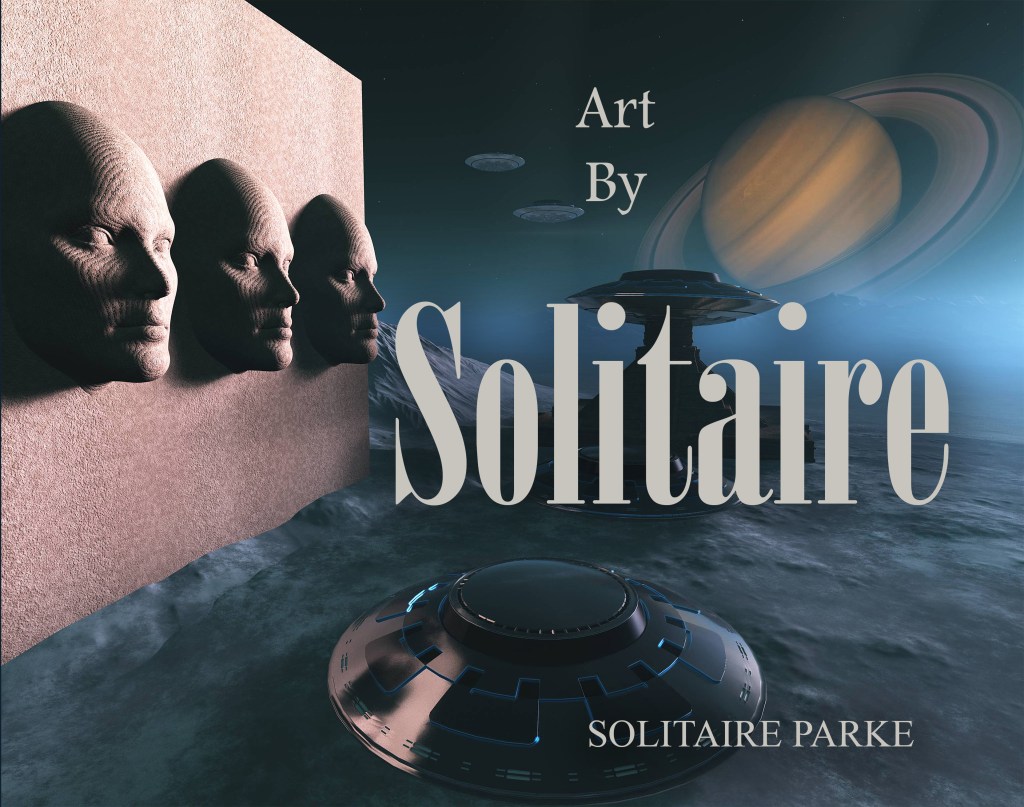
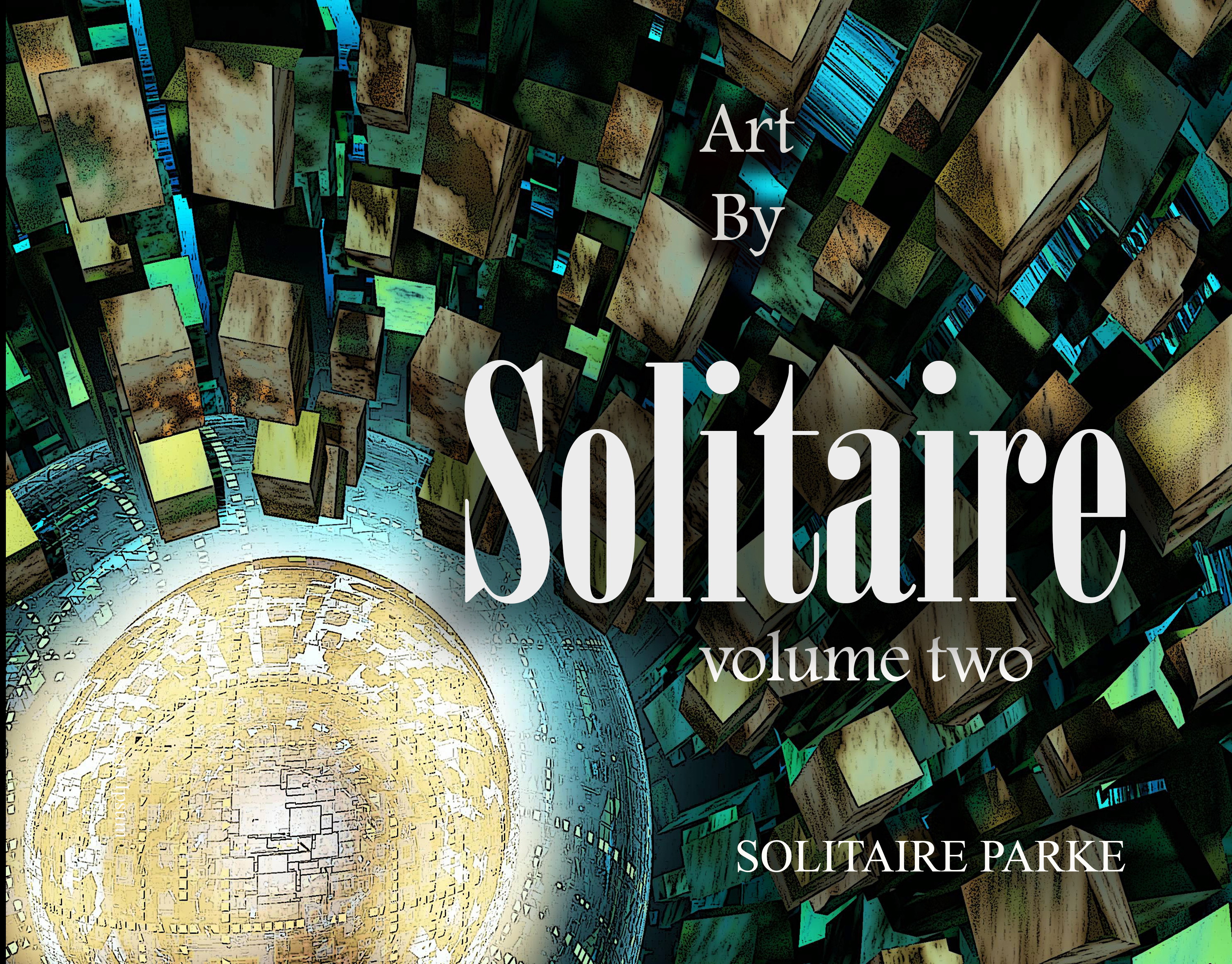
In society there has always been a significant place for art. It is a reflection of the culture and community from which it comes. From cave drawings to contemporary digital art, it inspires change and challenges the norm, all the while bridging the gaps between different time periods and cultures. Words cannot express the same type of deep-felt emotions and vibrancy that a piece of artwork is capable of producing. What makes it special is that it captures those feelings in a distinct and different way for each person who views it. Art is a universal language that enhances our environment and encourages creativity and critical thinking to provide cultural traditions for future generations.
What would our world look like without all the enhancements from artwork in public places everywhere we look? They provide a window into our communities, each with such different social customs and character. We have museums, art galleries, cultural events, murals, sculptures, sidewalk markets, architecture, and urban landscapes. Everywhere we look there is some form of art to capture our attention and inspire us.
As our technology advances, the world of art continues to change. We now have virtual reality, digital art, and artificial intelligence, all embracing new forms of artistic connection. There are countless possibilities for creative expression.
Solitaire utilizes digital technology to enhance his work, express himself and create beautiful artwork by stretching the limits of his imagination. Whether it’s abstract, science fiction, fantasy or scenic art, it can be used for video games, websites, book covers, attire or displayed on the wall in a home or office. It is a dynamic and captivating medium that holds the power to inspire us all. Solitaire has two digital art books available. Art makes life more beautiful!
To see Solitaire’s artwork click here
To purchase his books click here
Artwork in the Digital Age
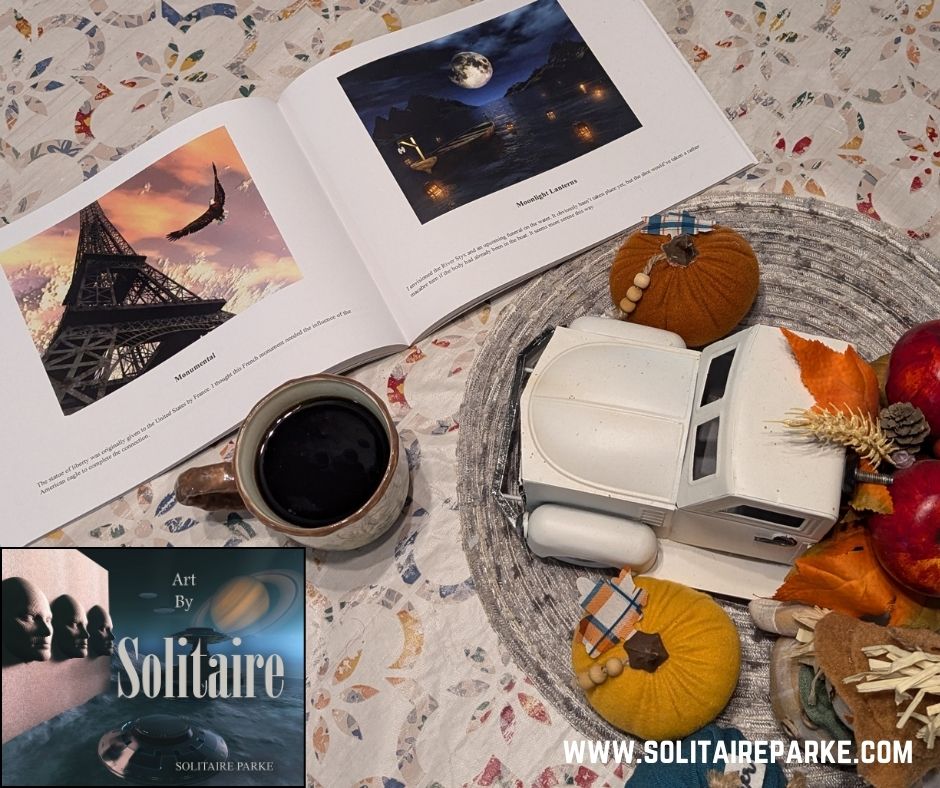
Digital art refers to any artistic work or practice that uses digital technology as part of the creative or presentation process. It can also refer to computational art that uses and engages with digital media. Since the 1960s, various names have been used to describe digital art, including computer art, electronic art, multimedia art and new media art.
Subcategories for the art include digital painting, where artists use software to emulate techniques using in physical painting, digital illustration, which involves creating rendered images for other media, and 3D modeling, where artists craft three-dimensional objects and scenes.
Sources for digital art include pieces stored on physical media, galleries on display on websites, and collections for download for free or purchase.
History – to understand the history of digital art, read here.
According to the Stanford Encyclopedia of Philosophy:
“In order to be a true digital artist, you must learn the same types of skills to perform digital artwork that you would for traditional artwork”. Digital art requires serious creative skill, though it might not involve physical materials.
Solitaire utilizes digital technology to enhance his work, express himself and create beautiful artwork by stretching the limits of his imagination. Whether it’s abstract, science fiction, fantasy or scenic art, it can be used for video games, websites, book covers, attire or displayed on the wall in a home or office. It is a dynamic and captivating medium that holds the power to inspire us all. You can view Solitaire’s artwork here –
https://www.redbubble.com/people/ChaosX33/explore?asc=u&page=1&sortOrder=recent3/shop
For a copy of his Art Book go to –
Art by Solitaire – Unleashing Imagination
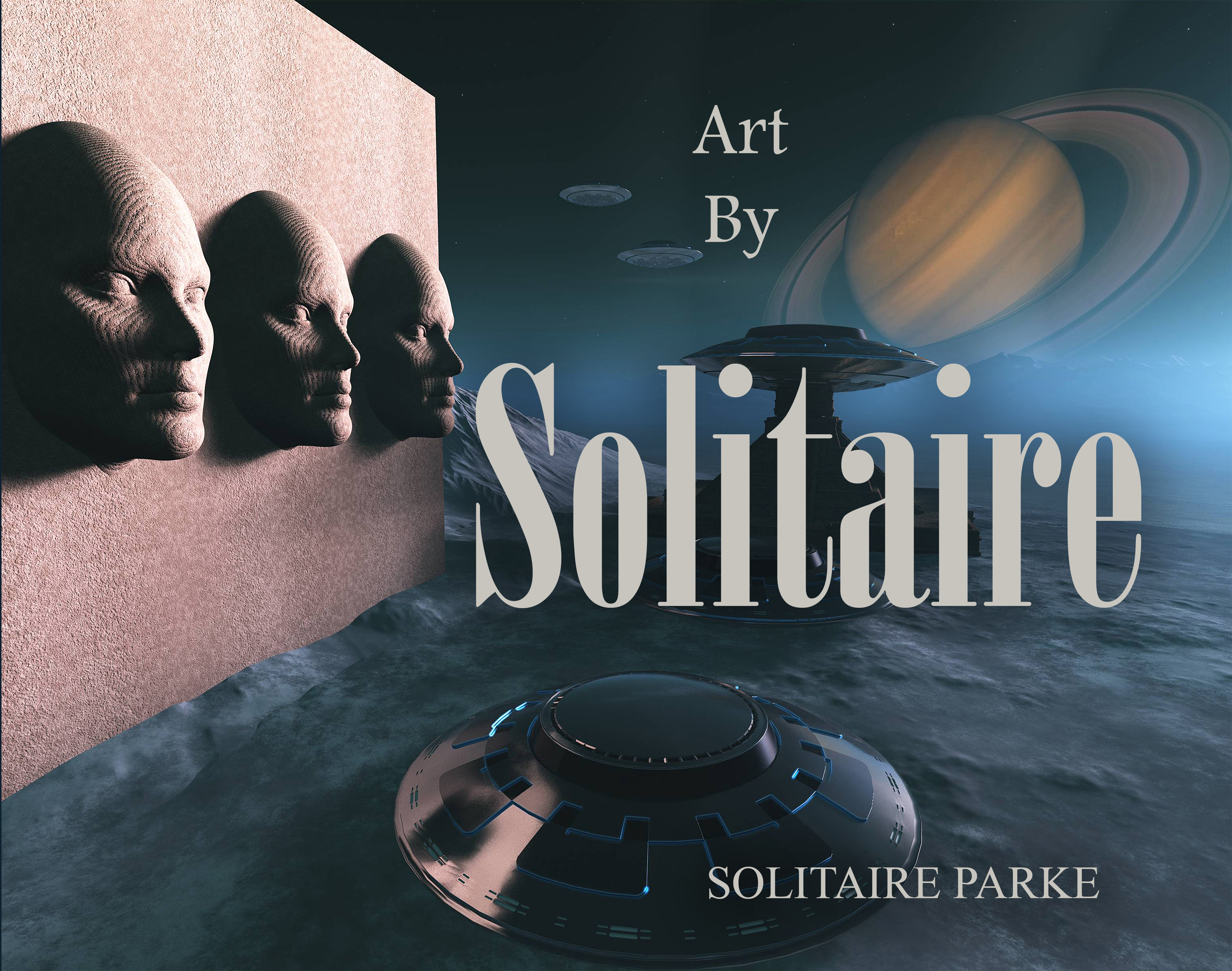
In the ever-changing world of art and technology, online tools have completely revolutionized the art world. It demands a blend of artistic flair, technical prowess, and an unwavering enthusiasm for digital media. Solitaire stands as a prime example of a digital artist harnessing these tools to elevate his craft, express himself, and create exquisite artworks that push the boundaries of imagination. Whether delving into abstract, science fiction, fantasy, or scenic art, these creations find homes in video games, websites, book covers, attire, and are often displayed on the walls of homes and offices. It is a dynamic and captivating medium that holds the power to inspire us all.


 Solitaire Parke - Sci-Fi/Fantasy Books