Monthly Archives: August 2023
6 Questions Writers Often Ask
What’s the difference between a story’s “hook” and the “inciting incident”?
The “hook” of the story is just the opening sentence or paragraph that attracts the reader’s attention and fires up their curiosity to keep reading further. An example would be someone running for their life, looking up at the sky and seeing something unusual, a dead body being found in a boathouse, a huge explosion, or anything that creates an urgency for the reader to want to discover “why.” The actions or emotions create an urgency to find out the backstory or motivation behind what is happening.
The “inciting incident,” is the key event in the main character’s life that gets their story moving forward. It sets them on a journey that continues throughout that character’s life, literally causing them to take some action to try to restore balance or stability. For example, in The Wizard of Oz, the tornado that spirits Dorothy away to Oz is an inciting incident. It motivates her need to do everything she can to return home. In The Mysterious Island, a mega storm causes an air balloon to crash on an island. The passengers are then in survival mode which ultimately motivates them to find a way off the island and back to civilization.
Is it okay to eliminate “he said/ she said” when there are just two people talking in a dialogue?
This is a question that I considered in my writing. The answer is, yes. If just two characters are talking, the dialogue tag can be omitted. It all depends on whether there is clarity for the reader. If it is obvious which person is speaking, no tag is required. However, sometimes several sentences of narration will come between lines of dialogue (for example, the point of view character’s thoughts). In that case it might be necessary to tag the next person who is speaking. Otherwise, the reader may not be sure which one is resuming the conversation. Clarity is the main objective here because we don’t want to lose or confuse the reader.
Is it a good idea to use a Prologue?
Many bestselling authors do start their books with a prologue – but keep in mind that these authors have established a large readership who will buy their books regardless of style. That being said, if you need to let the reader know information that is not in the novel, set up the main story, or jump into the middle of a story without having to set a scene or explain main events, you might need to have one. If the understanding of your story is not damaged in any way, then you probably don’t need one.
What if I can’t find the genre of my story? Is “literary” a genre?
If your story does not fall into the broad popular genres (Mystery, Thriller, Romance, Science Fiction, Fantasy, Horror) yet is still popular fiction, it is often referred to as simply “mainstream fiction.”
How long should my book be?
From a publishing standpoint, it doesn’t matter how many pages you’ve written. What matters is word count. Any publisher or agent will want to know how many words you’ve written, not how many pages. Below is a quick cheat-sheet on word count.
Flash Fiction: Generally, up to 1,000 words.
Short Story: 1,000 to 20,000 words
Novella: 20,000 to 80,000 words.
Novel: 80,000 to 100,000 words. This is the sweet spot.
Science Fiction or Fantasy: Can be over 100,000 words, but the content should be strong enough to warrant the size.
While you may come across different schools of thought on these word counts, consider these numbers an average of industry standards.
The important thing is to enjoy writing and flexing your creative muscles. Each of these pieces will fall into place as the process evolves for you. Focus on your work first, then worry about the rest.
Solitaire
Surviving the Scorching Summer Heat
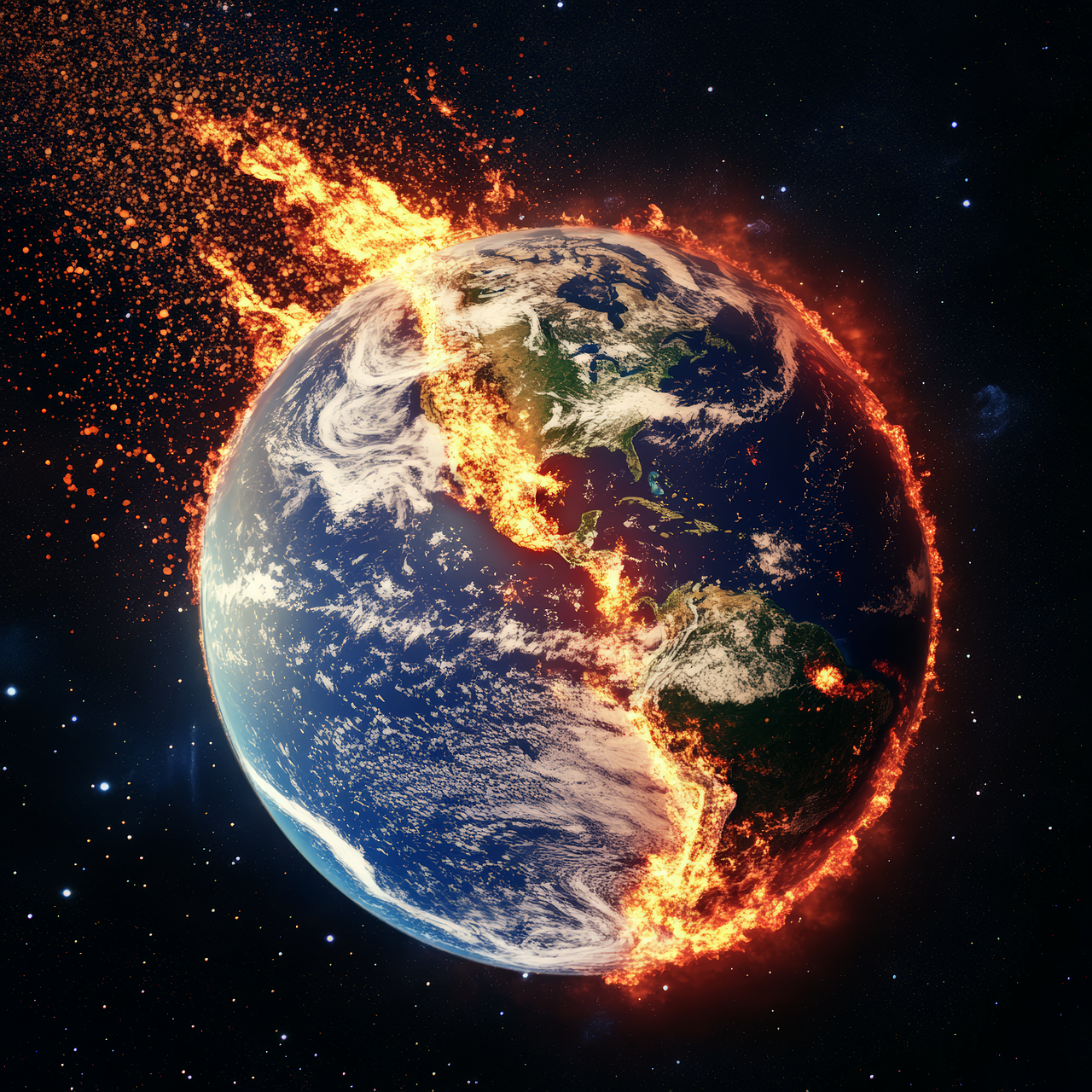
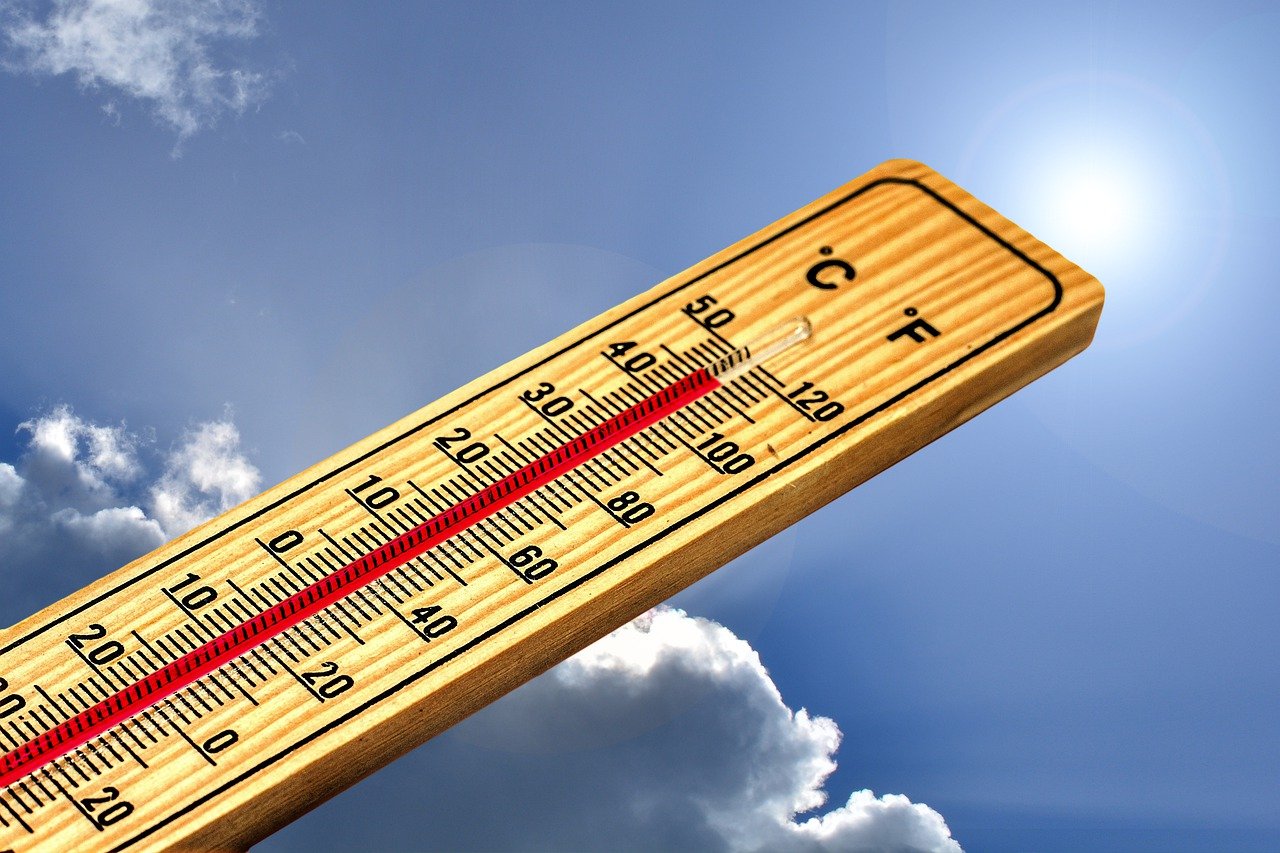
We’re having another record-breaking hot summer this year, not only where I live but across the globe. It’s having an impact on how we live and what we do. More people are staying inside for longer periods of time due to the impact of heat on the human body. It’s possible to cook on our sidewalks here in Arizona, as crazy as that sounds. Outdoor barbecue has taken on a whole new meaning! The kids are staying out of the sun in the middle of the day and limiting their outdoor activities to the mornings or late afternoons and evenings when the sun isn’t so intense or has disappeared beyond the horizon. Even my dogs don’t want to be outside for long.
As an author and digital artist, I am perfectly happy to be inside my office where I can be comfortable in the air conditioning with my ceiling fan whirring over my head to keep me cool. That’s the most productive atmosphere for me, and my favorite setting. If I want to see the outdoors I can just look out of the window next to my desk and pull back the curtains to let in the light, without having to deal with the heat.
If you work from home, adjust writing routines when necessary, by working during cooler parts of the day, such as early mornings or evenings. Setting realistic goals and focusing on specific tasks like editing or mind mapping during peak heat hours can also be helpful. Writers may need to be especially mindful of channeling and shaping emotions in their work, recognizing the potential for heightened emotional responses during heatwaves. You can also try working from libraries or cafes to make your day more interesting.
Some writers find that the summer heat actually sparks their creativity. Ernest Hemingway embraced writing in the summer heat and his style flourished during these periods. He spent significant time in hot locations like Madrid, Spain and Key West, Florida.
If you’re in one of those excessively hot areas of the world, be kind to yourself and stay hydrated, comfortable, and safe from the effects of the hot sun. Many children are now heading back to school, which will keep them busy for a good part of the day. Stay indoors when you can and protect yourself if you do go outside with sunscreen, a hat or umbrella and wear loose, light clothing that will allow you to stay cool.
Being indoors gives us all a great opportunity to explore our world and other worlds through writing and reading!
Have a great summer!
Solitaire

 Solitaire Parke - Sci-Fi/Fantasy Books