Blog Archives
Poetry – Food for the Brain!

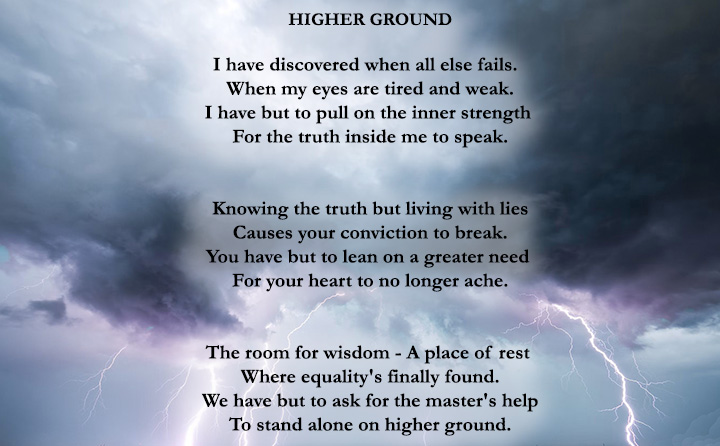
The variety of poetry out now is huge. But what is the point? Maybe you like poetry that rhymes, or just something that causes you to feel things that take you away from the daily grind and think deep thoughts. Put simply, poetry is a type of literature, or artistic writing, that attempts to stir a reader’s imagination or emotions. Language is arranged by the poet carefully for its meaning, sound, and rhythm.
But why is it good for your brain?
- Like listening to music, poetry triggers an emotional response. MRIs have shown that certain regions in the brain’s right hemisphere light up and are activated, linking reward and emotion.
- Poetry isn’t just about reading words, but it’s also about understanding the sounds, meanings, and emotions of them. When the brain connects all these things at one time, its function peaks and strengthens your overall mental health.
- Encouraging self-reflection and boosting memory is another reason poetry is beneficial. Studies have shown that MRIs display that poetry causes the part of the brain that activates during daydreaming to light up. The reader often re-reads and even memorizes the words. It can help improve a person’s memory making it more receptive to retention of other information as well.
Poetry is everywhere. So how do you get more poetry into your life?
Listen to music
Read greeting cards
Poetry Books (reading them out loud gives you extra brain engagement)
Many calendars have poems for each day
You might try writing your own poetry – just feel and write the words
Each time you read or listen to poetry it’s beneficial to your brain. It provides pleasure, offers wisdom, provides emotional expression, and can be a form of remembrance, consolation, and healing. In any case, you activate brain function, and your overall mental health will thank you!
Solitaire
Overcoming Stress: Tips for Positive Thinking

We all lead stressful lives in one way or another. As an author there are many factors that can cause stress. Writer’s block, fear of judgement from others, perfectionism which can lead to over-editing and lots of self doubt, the pressure of meeting deadlines, rejection which causes a lack of confidence and motivation, juggling too many projects, being responsible for marketing and promotion of your works, and possibly financial concerns as well. Authors often question their own writing abilities and wonder whether their stories are good enough. It can all weigh heavy on your mind.
There are many sites online which can be of help to writers in every aspect. To support you and anyone really, I recently came across an article from the Mayo Clinic that I thought was interesting about stress management and how it can affect your health and well-being.
Are you a positive or a negative thinker? Positive thinking doesn’t mean that you ignore life’s less enjoyable situations. It just means that you approach unpleasantness in a more positive and productive way. You believe the best is going to happen, not the worst. The automatic thoughts that run through your head can be either positive or negative. If they are negative, your outlook on life is likely to be gloomy or cynical, which is certainly not a health benefit. You can learn to change these negative thoughts into more positive ones by creating new habits.

The following are a few ways in which to change your thinking and behave more positively.
First, identify areas in your life that need a change, whether it be at work, life changes, or a relationship. Focus on a few small areas and then approach them in a more positive light. You will eventually teach yourself to look at things differently.
Keep yourself in check during the day by periodically stopping to evaluate how you are thinking. Are you falling back into being negative or are you forcibly working on being positive?
Stay open to humor by smiling or laughing, even during times of difficulty. Laughter is a stress-reducing tool.
Aim for a healthy lifestyle that includes some kind of exercise to break up each day and help you manage stress. If you are sitting all day, take a break and go for a walk. Look at something different than what you normally would. Sometimes just being out-of-doors will help you clear your mind.
Keep yourself surrounded by positive people who will support you in good times and bad. You need helpful advice and feedback. Keep your distance from negative people or situations.
Follow a simple rule – don’t say anything to yourself that you would not say to someone else. Be kind and encouraging to yourself. Don’t expect perfection, just do your best.
Think about the things you are thankful for in your life and dwell on those things. There is always someone who has it harder than you. Always be thankful for what you have.
You may not become an optimist overnight, but with practice you will become less critical of the world around you. When your state of mind is one of optimism, you are better able to handle stressful situations that come your way in a more constructive manner, and that will contribute to a much healthier and happier life.
Solitaire
May is Mental Health Awareness Month!
+
Since 1949, the month of May has been designated throughout the nation as mental health month. Each year millions of Americans face the reality of living with a mental illness. During May, NAMI (National Alliance on Mental Health) joins the national movement to raise awareness. Their site provides support for those who deal with this everyday, along with their families.
I found a blog on LULU Books called Mental Health for Writers that applies not only to writers like myself, but has some great links for mental health in general.
After the last two years of pandemic living, many people are realizing that stress, isolation, job loss, and uncertainty have taken a toll on their well-being. To help slow the spread of coronavirus, many schools and childcare centers across the U.S. closed and transitioned to virtual instruction for at least some time. With these closures, children and their parents were experiencing ongoing disruption and changes to their daily routines. Throughout the pandemic, anxiety, depression, sleep disruptions, and thoughts of suicide have increased for many young adults. It has hit just about everyone in some form or fashion.
Personality may also influence how we manage in difficult times. How we endure uncertainty and our ability to tolerate distress are related behaviors that appear to make a difference. Some people are less comfortable with struggle or the unknown than others. Feeling afraid, depressed, or anxiety ridden has seemed to hit an all time high in our world right now.
We can’t always self-improve our way out of pain and difficulty. Facing it is the only answer, and there are ways that we can get help and help ourselves. This is one of those times when life really is harder by a little bit or a lot, depending on your situation. We need to work to feel better, stay connected, and help others however we can.
Solitaire




 Solitaire Parke - Sci-Fi/Fantasy Books