Unveiling Endless Possibilities: The Essence of Science Fiction
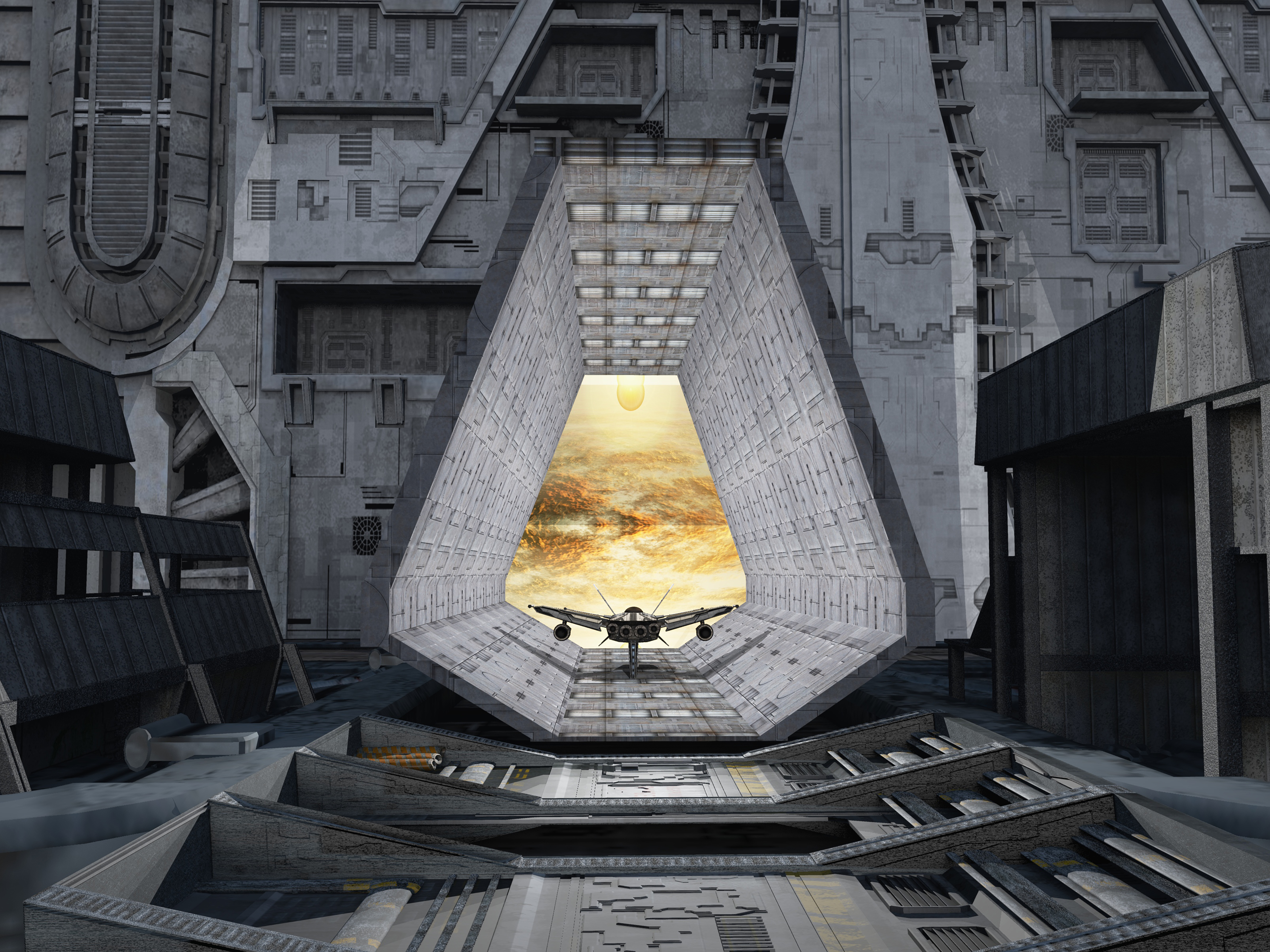
The dictionary defines Science Fiction as follows –
Fiction based on imagined future scientific or technological advances and major social or environmental changes, frequently representing space or time travel and life on other planets.
You generally find things like parallel universes, spaceships, clones, aliens, self-aware AIs, virtual reality, time travel, mind control, interplanetary warfare and humans interacting with scientific methods or technologies.
Some say it should have its foundations in actual science to qualify and the actual technologies should be a plausible progression of the current education and abilities that we have.
There is usually some type of scientific discovery involved.
Future technology is a common theme with the cost of progress a recurrent theme.
Usually set in realities that are plausible but involve survival.
Worlds are often cynical and dystopian but utopian societies can also exist.
These discoveries and technologies are oftentimes analyzed as to whether it is progress that is worth the price or whether the well-intentioned new breakthroughs are either corrupting mankind or furthering its progress. Entire story lines are built around this premise.
Science Fiction has been around for as long as people have had a curiosity about our world and its physical laws. How far can the boundaries be pushed?
Add human characteristics and emotions into this scientific phenomenon, build a plot that weaves in and out of the scenario, and you can create a world of endless possibilities while developing characters that are relatable to your readers.
Bring science into your conflict but be careful not to “dump” key scientific information on the reader too quickly. Give out scientific explanations and background sparingly so as not to overwhelm them so they stop reading. Remember that dialogue, action and flashbacks are all ways to creatively dispense key information.
Some examples of Science Fiction –
Jurassic Park – by Michael Crichton
The Hunger Games – by Suzanne Collins
Journey to the Center of the Earth – by Jules Verne
20,000 Leagues Under the Sea – by Jules Verne
The Time Machine – by H. G. Wells
The First Men in the Moon – by H. G. Wells
Dune – by Frank Herbert
1984 – by George Orwell
I have always been a huge fan of science fiction. It’s not only what I read most often, but a genre in which I write as well. You can find my books at my website and other varied locations.
Solitaire

Posted on September 10, 2024, in science fiction and tagged 1984, aliens, book review, books, clones, dune, dystopian, fiction, Frank Herbert, future, george orwell, h.g. wells, hunger games, interplanetary warfare, journey to the center of the earth, jurassic park, mind control, other planets, parallel universe, science, science fiction, science fiction classics, scientific discovery, scientific technology, spaceships, survival, time machine, time travel, utopian societies, virtual reality. Bookmark the permalink. Leave a comment.


 Solitaire Parke - Sci-Fi/Fantasy Books
Leave a comment
Comments 0