Category Archives: books about dragons
Cover Launch: DAUGHTER OF THE DARK LORD, Part Four, OUT OF THE ABYSS by Solitaire Parke
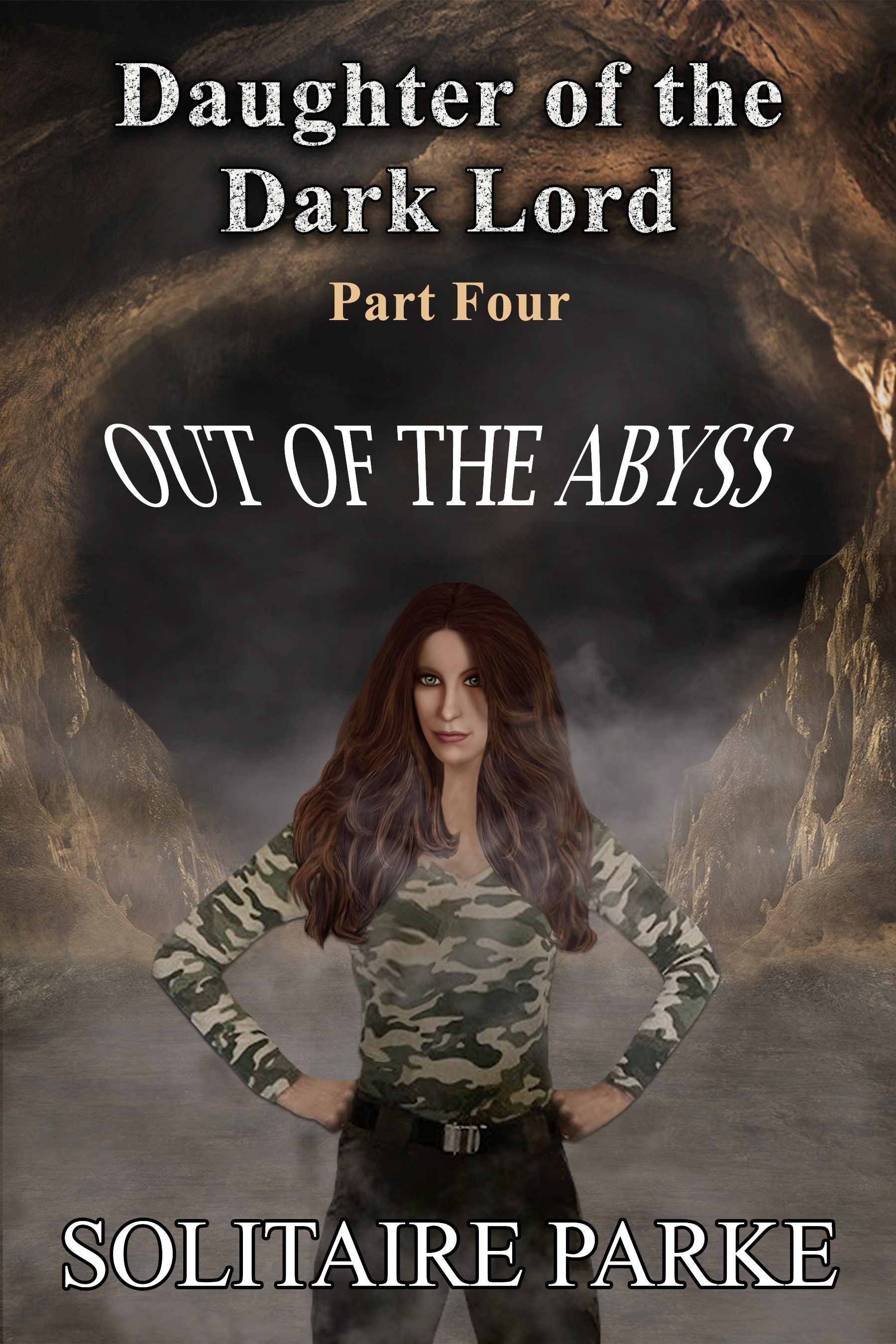
I’m excited to reveal the actual title and cover of the final volume of the Prequel series to the Dragomeir Series books. They began with Daughter of the Dark Lord, Part One, The Burning Sky, and now continue with Daughter of the Dark Lord, Part Four, OUT OF THE ABYSS.
I can’t wait for you to return to the adventures of Katherine Pendragon, Daughter of the Dark Lord of the Provinces. She navigates a whole new journey with unexpected difficult decisions, old and new friendships, and of course, dragons.
After traveling through time, Katherine finds herself in Iceland where she reunites with people from her past, although they don’t all remember her. Cystic is a trusted old friend, and Tanis is destined to be of great importance in her future, belonging to an organization called the Thaumaturgists. Cystic takes her to Mt. Scartaris, the home of dragons and their stewards, where she proves herself to be a worthy leader. Queen Mother/Katherine, brings change to their chaotic and undisciplined lives to protect them from future harm. But not long after, she learns of a greater threat. Cystic has known for some time that Mt. Scartaris is an active volcano which is currently displaying critical signs. To further complicate matters, there is the abyss. Now Katherine must engage the help of the Thaumaturgists, a clan of wizards, and find a new home for her family before the eminent disaster.
I hope I’ve piqued your interest. To find the other books in the Daughter of the Dark Lord Series and the Dragomeir Series, as well as other works and fun extras, join me at www.solitaireparke.com. My books are available at Amazon, Barnes & Noble, & various other locations listed on the website. You will also find me on Pinterest, Facebook and Goodreads.
Happy Reading!
Solitaire
The Prequel – Tips on Writing a Great One!

Hello Readers!
My newest prequel book to the Dragomeir Series is now in the editing process and will be out later this year. It will be the 4th book in the prequel series – Daughter of the Dark Lord – which can all be found on my website –www.solitaireparke.com.
When you finish reading the last book in a series – one that you just couldn’t put down – it would often be amazing to find out the stories behind the story. What were the circumstances in the past that contributed to, or carved out the personalities of the characters we either fell in love with, hated, or never even knew existed? Generally, a prequel provides the reader with new or expanded information on a story line that was important to the original series but perhaps only touched upon.
Yes, I know that over and over again, prequels have messed things up – especially when you’re talking about movies. Prequels can be difficult to write since they have to line-up with already established story lines. But they can be enormously popular as well. You just have to adhere to some guidelines in order to keep your stories straight.
First of all, be sure that your prequel story has a strong enough scope to merit telling. It should be able to stand on its own without relying too heavily on the original story, otherwise it will feel like “more of the same.”
Can you expound on the history of a particular place or answer more in-depth questions about your characters or their families, all without compromising the original story line? There might be an extensive untold backstory that could be important to the original series, that was only previously touched upon. Focus on telling your audience something unknown. In the prequel, you might find pieces of the story or past events that never got a complete or proper explanation, leaving you with questions.
Since the reader knows the outcome of the story, it can be tricky, and you must be careful not to contradict anything said in the original series. After writing thousands of pages, and spending countless hours editing and revising, an author can easily lose track of their own story. The prequel’s job is to fill in gaps and flesh out story lines, answer the unanswered questions, and give some important characters background on their motives for later actions, so a reader going back to the prequel can have that “aha” moment. At the same time, the author has to be careful to keep the essential secrets of the original series.
I would suggest that if you decide to write a prequel, do yourself a favor and scan through the original series before starting and as you go along, to refresh your mind on the world and characters you have created. It might even be wise to compile a database of information from which you can garner information when needed.
Telling a good prequel story is not easy. But if you decide to take on the challenge, these tips might help you stay on track and craft a story that your readers will love!
Solitaire
What are your ideas about prequels?
New Book Excerpts!!!
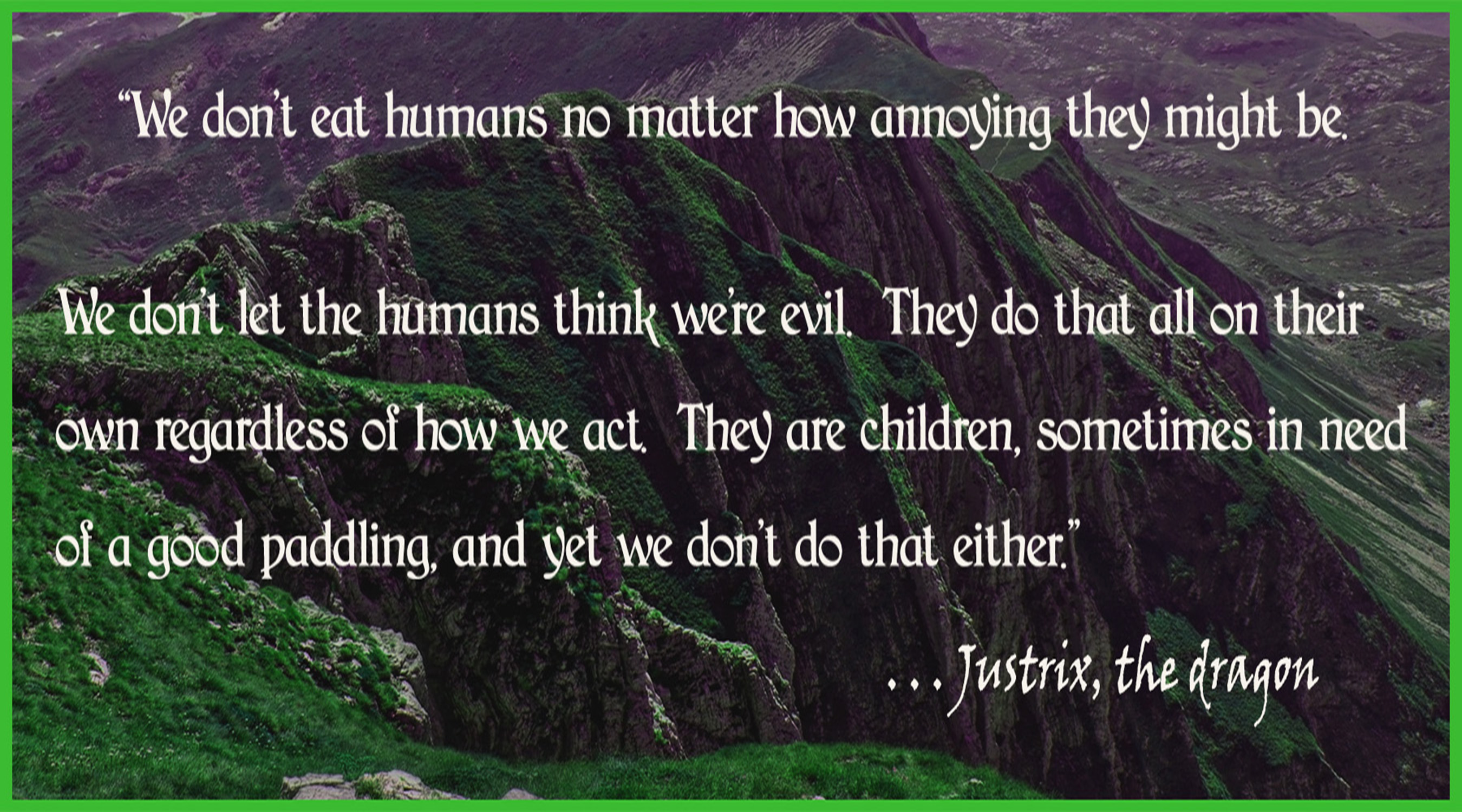
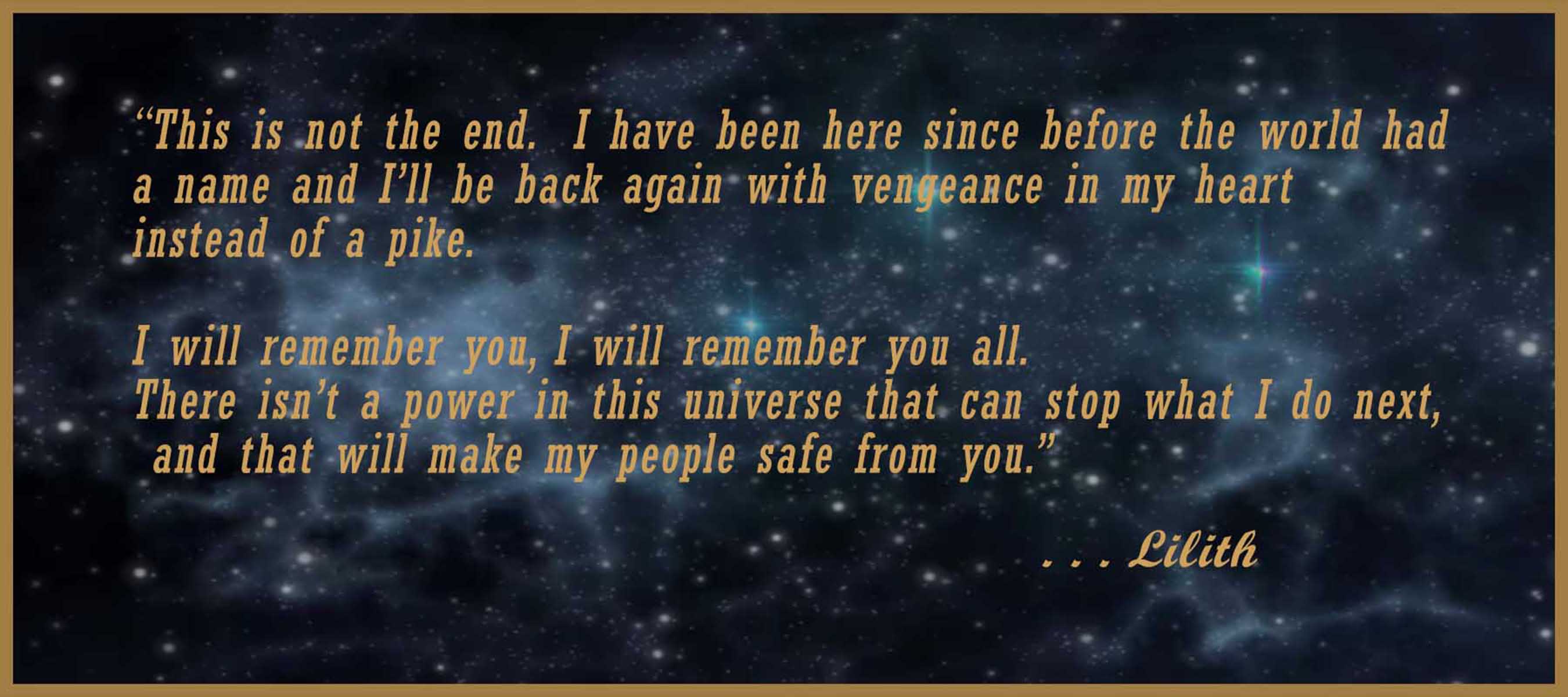
Hello Readers! These are excerpts from my new book –
“The Daughter of the Dark Lord
Part Three
Into Futures Past”
– which will be available very soon. This book is the third prequel to the previously published Dragomeir Series. The prequel books allow the reader an extensive view into the life of Katherine Pendragon, Queen of the Dragons, as she struggles to fulfill her destiny. Join Katherine in this fantasy adventure to another world, another place, and another time!
Check out all my other books at www.solitaireparke.com.
You can contact me at my website if you have any questions, or just leave a comment. It’s always great to hear from you. Thanks for reading –
Solitaire
Part Three of the Daughter of the Dark Lord Series – Into Futures Past
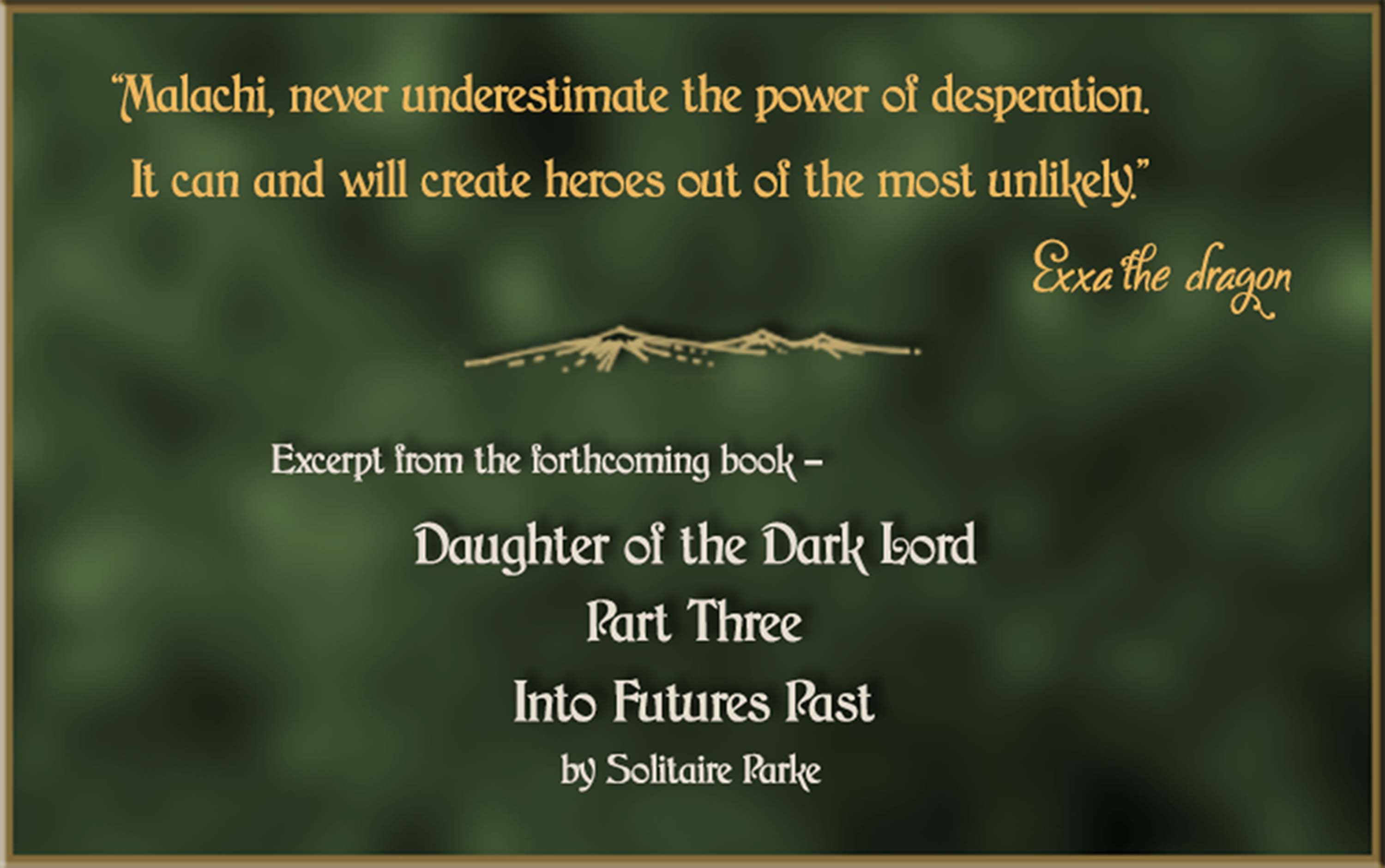
The Daughter of the Dark Lord, Part Three, Into Futures Past will be out very soon. I’m excited that it’s in the final editing stages. This book is the third prequel to the previously published Dragomeir Series. The prequel books allow the reader an extensive view into the life of Katherine Pendragon, Queen of the Dragons.
Daughter of the Dark Lord, Katherine, is determined to protect the downtrodden. She’s in a race against time and space to fulfill the prophecy and become a leader unlike any other before her. Follow her failures, triumphs, and unending journeys to claim her destiny as the Queen of the Dragons in this exciting, action-filled fantasy adventure as she struggles with self-acceptance and the acceptance of the dragons and people in her world.
Check out all my other books at www.solitaireparke.com.
You can contact me at my website if you have any questions, or just leave a comment. Thanks for reading –
Solitaire
WHY WRITE A PREQUEL?

A prequel is a work that forms part of a back-story to the preceding work. Simply stated, it sets the stage for the existing novels and usually comes after the original work was written.
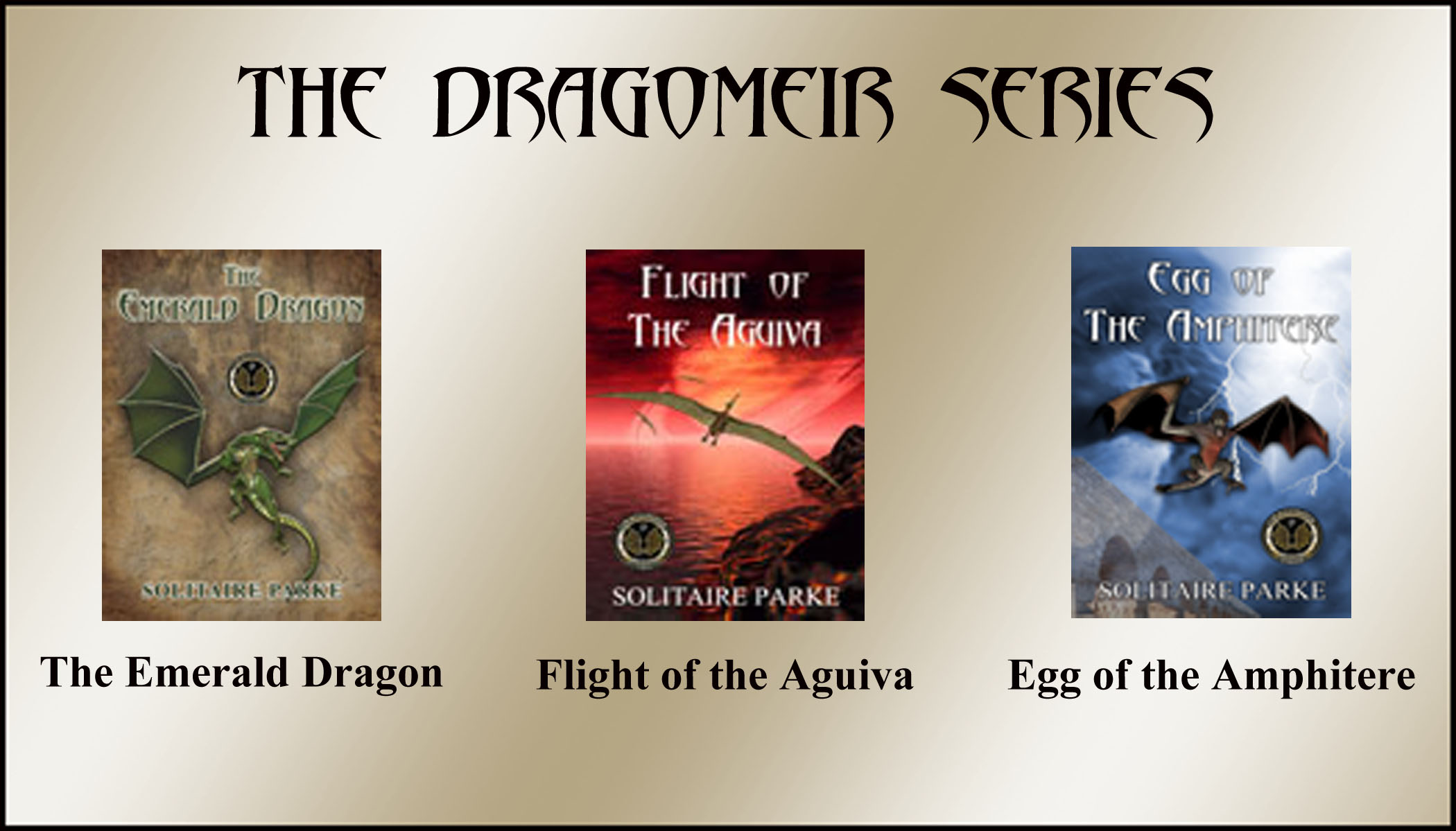
If you have followed my blog or perhaps seen my books on Amazon, Barnes & Noble, or various other sites then you know I have authored a succession of books called the Dragomeir Series, an urban fantasy/sci-fi saga of dragons and their riders, along with some rather unusual creatures and captivating characters.
Some readers might ask, “Why write a prequel?” I had originally planned to finish this series and then push on to other projects but began having second thoughts as I put a close on the third book in the Dragomeir Series, “Egg of the Amphitere.” One of the main characters known as Queen Mother needed to be expounded upon to give a better understanding and proper closure as to who she was and why. I realized there was a fascinating back-story to be told, and the prequel was born. The story, albeit told by Tanis Theatra (one of the dragon riders), was more about the life and times of Katherine Pendragon (Queen Mother) than anything else.
The only way to pursue that was to go back where it essentially started and tell her story as it began on the Provinces. So, the prequel series, “Daughter of the Dark Lord” was created to give credence to Queen Mother’s life, why she was so passionate about family, and to clarify her dedication to stopping the Dark Lord from invading earth. Last, but not least, it was to express how she eventually planned to liberate the Denizen people of the Provinces. While telling her story, it would also give the reader a bird’s eye view into Tanis Theatra’s beginnings, and of course the amazing dragons. To accomplish this there will also be one more installment to the original Dragomeir Series, entitled “Back from Oblivion.” This book describes Queen Mother’s ultimate objective which is exclusively detailed in the “Daughter of the Dark Lord” prequel series. There are two books available in this series now, and a third is currently being written.
All together it should delineate the complete story as first introduced by Tanis Theatra and recanted by me, Solitaire Parke. Check out my website at
to read sample chapters, discover exciting extras and purchase books at multiple locations in a variety of formats. I hope you enjoy!
Here is a question for my readers – Do you enjoy reading a prequel to a novel?
Have you written a prequel? I’d love to hear about your writing experience.
Solitaire
Forthcoming Novel – Daughter of the Dark Lord – Part Two – The Alberra Project

Daughter of the Dark Lord – Part Two – The Alberra Project is finished. The last six months have been chaotic, as the holidays and life in general seemed to hijack my writing time. But The Alberra Project has progressed into editing mode and will be available in eBook and paperback very soon. The first book, Daughter of the Dark Lord – Part One – The Burning Sky, has been out for a while now and is available at a variety of locations – all of which can be reached from my website – www.solitaireparke.com.
The Daughter of the Dark Lord books are prequels to my previously published Dragomeir Series – a must read for anyone who loves dragons and other wonderful creatures. I’ve always been intrigued by dragons. They are magnificent creatures who interact in the most unique ways with their riders and fellow beings and have characteristics that are remarkably like humans at times. They’re quite brilliant and good-natured, contrary to all the bad press they’ve been given over the centuries.
Part Two continues Katherine Pendragon’s journey as she comes of age on the Provinces of Hell, a dark and often unnerving place in which to grow up. She unwittingly learns the truth about her father, a reality she has long dreaded. With her beloved dragon by her side, Katherine faces her biggest challenge yet as she struggles with the knowledge of her father and an uncertain future, both for herself and those she would free from this vile world.
Stay tuned for the forthcoming endeavors of Katherine Pendragon in
Daughter of the Dark Lord – Part Two – The Alberra Project.
My other books are available, along with “Extras,” at –
Happy reading!
Solitaire
New Novel on the Horizon

It’s about time for another novel, this time Part Two of the Daughter of the Dark Lord Series. The first book, Daughter of the Dark Lord – Part One – The Burning Sky, has been out for a while now, and is available at a variety of locations – all of which can be reached from my website – www.solitaireparke.com.
I am very anxious for you to read the Daughter of the Dark Lord books as they are the prequels to my previously published Dragomeir Series – a must read for anyone who loves dragons and other wonderful creatures – also available at my website. I’ve always been intrigued by dragons. They are magnificent creatures who interact in the most extraordinary ways with their riders and fellow beings, and have characteristics that are remarkably like humans at times. They’re really quite wonderful, contrary to all the bad press they’ve been given so much of the time.
The second book in the series, Daughter of the Dark Lord – Part Two – The Alberra Project, is almost finished, I am happy to say. These last few months have been a bit crazy, as life and the consequent stress of other projects seemed to take over from time to time, but I am hard at work on Book Two and it has progressed quite nicely. So, before long it will move forward into editing mode, there will be a cover reveal, and it should be out before year’s end.
In the meantime, check out my other books at www.solitaireparke.com.
Solitaire
Happy Summer Reading!
The Eternal Amulet of Ele-Amarna
Excerpt from DAUGHTER OF THE DARK LORD – Part One – THE BURNING SKY:
(Cheron – the true specter of death, Ferryman at The River Styx – speaking to Katherine Pendragon, the daughter of the Dark Lord of the Provinces of Hell)
“Your father and his loyal demons cannot cross flowing water, and I speak not of the river of death. Only through me may you cross the Styx. These lands are not your prison and there are no conventions which bind your fate, but without an army, your father’s curse will be the end of us all.”
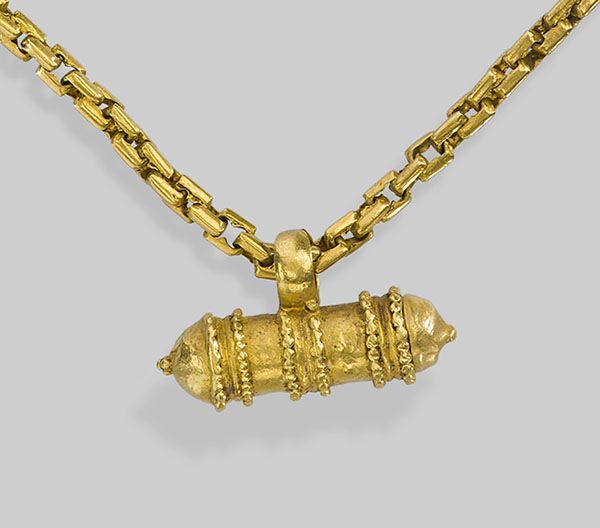
Cheron reached into his robe and pulled out an amulet attached to a golden chain. Gazing at it for a moment, Cheron’s energy spiked, almost unnoticeably, and then passed. He handed the piece to Katherine hesitantly, as if he was about to lose something meaningful to him.
“The most precious gift I can give you is this. The Eternal Amulet of Ele-Amarna. It will give you control over Bahn Fahr and the Army of the Dead. “
The Amulet of Ele-Amarna was an ancient vial, one and one half inches in length, attached to a solid gold chain, which was eighteen inches in length. The six gold rings surrounding it, would spin in the manner of a combination lock until they lined up, allowing it to open. Katherine had no knowledge of what would happen once it opened, but she did know that her energy combined with that of the amulet would call up the Army of the Dead, and their subsequent leader, General Bahn Fahr. The General resided with his army in the Province of Sheol. This might be the only way to defeat her father.
But the Amulet came with a warning:
“But beware . . . if the Amulet is destroyed once the Army is called, you will unleash dominion over the living by angry legions of those who cannot be stopped or killed. Be warned, Ariella. Hold the Amulet and call the Name of Bahn Fahr at the peril of all you hold dear.”
Does Katherine resort to using the Amulet, or does she find another way to to thwart the plans of her malevolent father, the Dark Lord, and his army of demons? The answers can be found in
DAUGHTER OF THE DARK LORD – Part One – THE BURNING SKY
at my website www.solitaireparke.com, where it can be purchased at numerous locations in a variety of formats.
I look forward to hearing from my readers. Let me know if you have any questions or comments.
Solitaire

WHY DO WE LOVE DRAGONS?
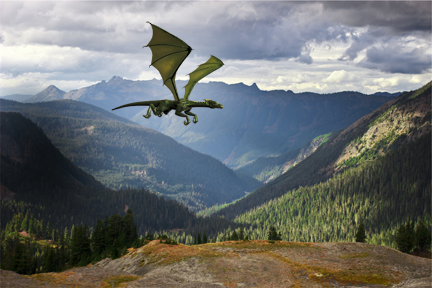
Dragons are magical, mythical winged creatures that we find both thrilling and frightening. Both adults and younger readers seem to find them equally fantastic. We’d like to believe that they might have once existed, and they are legendary in almost every culture on the planet, so why not?
They have traditionally been viewed as perilous, dangerous creatures with magical qualities that laid waste to the countryside and carried off damsels in distress, thereby having to be sought after and conquered. Some authors have written about them with this view in mind – Tolkien, Ursula K. LeGuin, and J. K. Rowling, to name a few. The fantasy writer, Anne McCaffrey, explored human kinship with dragons, man and animal befriending one another. Countless children’s books have now brought these fantastic creatures into the next generation to be both feared and loved.
I have continued with Anne McCaffrey’s affinity of dragon and man in my Dragomeir Series books, and now in the new prequel series, Daughter of the Dark Lord – Part One – The Burning Sky, and the forthcoming Daughter of the Dark Lord – Part Two – The Alberra Project. (There will definitely be a Part Three!)
Dragons introduce a much needed magic and adrenaline into our lives – the appeal of being unpredictable and potentially dangerous that emulates our challenges, frustrations and achievements in an exhilarating and exceptional way. Dragons never play by anyone’s rules.
Nowadays, dragons are our constant companions in novels, movies and computer games. They are the most familiar and respected creatures from fantasy and legend. They can give us an emotional reaction of faithful friendship, as well as the opportunity to fly. Dragons allow us to feel indestructible and open up our imaginations. They give us wings.
Solitaire
What are your favorite dragons?
Hul Gil – the “Joy Plant”


The opium poppy is widely cultivated and its worldwide production is monitored by international agencies. It is used for production of dried latex and opium, the principal precursor of narcotic and analgesic opiates such as morphine, heroin and codeine. Poppy seeds are rich in oil, carbohydrates, calcium and protein.
The earliest reference to opium was in 3,400 BC where the Sumerians in lower Mesopotamia referred to it as Hul Gil, the “Joy Plant.” They, in turn, passed the knowledge of the opium poppy to the Assyrians, who gave it to the Babylonians, who passed it on to the Egyptians. The Egyptians were famous for their poppy fields and the opium trade flourished during the eighteenth dynasty (around 1500 to 1300 BC) under the reigns of Thutmose IV, Akhenaton and King Tutankhamen. Roman gladiators used opium to enhance their fighting … and to die as painlessly as possible if mortally wounded.
Hippocrates, the father of medicine, saw opium as a helpful narcotic for treating disease. The great physician Galen cautioned that opium should be used sparingly in 158 AD. He said it was better to endure pain than to be bound to the drug. It wasn’t until 400 AD that opium was introduced into China by Arab traders.
Alexander the Great used opium to help his soldiers march farther because they couldn’t feel the pain in their feet; and they could sleep through the night because the wounded were sleeping peacefully under the influence of opium. He introduced opium to India, where its cultivation flourished. One of the goals of Columbus was to bring back opium from India, as its access had been cut off when the Arabs were expelled from Spain. He didn’t get to India, but he brought back tobacco from the New World and smoking tobacco became common throughout Europe.
In 1803, a German chemist named Friedrich Sertuerner synthesized morphine from opium. Sertuerner’s wife overdosed on morphine and died. He then publically warned against its dangers. But morphine was also a great step forward in medicine. It allowed doctors to do true surgery for the first time. Morphine was heralded as “God’s own medicine” for its reliability and long-lasting effects. By 1827, the E. Merck & Company of Darmstadt Germany was commercially manufacturing morphine.
A new technique for administering morphine was developed by Dr. Alexander Wood of Edinburg when he invented the syringe in 1843. Wood believed that if morphine was injected instead of swallowed, “patients would not hunger for it.” He was wrong; and several of his patients became dependent.
John Witherspoon warned his fellow doctors in a June 23, 1900 article about their indiscriminant use of morphine. The morphine habit was growing at an alarming rate; and doctors were culpable for “too often giving this seductive siren until the will-power is gone.” Pointing to the Great First Physician, he said doctors should “save our people from the clutches of this hydra-headed monster” which wrecked lives and filled jails and lunatic asylums.
In my forthcoming book –
“Daughter of the Dark Lord, Book One, The Burning Sky”
the Dark Lord of the Provinces, a manipulative, heartless and cruel ruler, attempts to control the Denizen people that he rules by allowing them to become addicted to the medicinal serum. His plan is to cut off the supply of the Hul Gil, and then establish it once again, only this time with contingencies tacked on. In essence, he would be creating voluntary slavery with himself as the Dictator. Whenever the Dark Lord wanted something, he would simply cut off the drug until the people complied with his wishes, thereby maintaining power over those he considered to be worthless underlings. His daughter, Katherine, who is aware of the monster that is her father, is still shocked and stunned at the depths of his sadistic inhumanity and is determined once again to thwart his malevolent efforts.
The book takes place on the Provinces of Hell, not a destination that anyone would want to find themselves, and yet to her chagrin, Katherine is not only the Dark Lord’s daughter, but a potential victim of his evil plot. She must find a way to survive and somehow escape this retched place.
The book is in the editing stages right now, but in the meantime, keep checking back for updates and more interesting facts about Katherine and those who choose to fight in her behalf in –
“Daughter of the Dark Lord, Book One, The Burning Sky”
A prequel book to the Dragomeir Series Books One – Three
Also available for purchase at www.solitaireparke.com and various other locations – in multiple formats.
Solitaire



 Solitaire Parke - Sci-Fi/Fantasy Books